
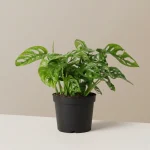


Monstera Peru (Karstenianum) – Textured Vining Aroid
Price range: රු499.90 through රු1,469.96
Discover the unique charm of the Monstera Peru, a rare climbing plant famous for its incredibly textured, corrugated leaves. Unlike other Monsteras, this variety doesn’t develop holes but captivates with its deep ridges and iridescent sheen. It is a slow-growing, resilient beauty that thrives in Sri Lanka’s indoor climate, perfect for collectors and beginners alike.
Note: Images are a general representation of size and color.
The Monstera Peru (often sold as Monstera karstenianum) is a stunning, lesser-known member of the Monstera family. It is distinct because it does not develop fenestrations (holes) like its cousins. Instead, it is prized for its prehistoric, reptilian-like leaf texture.
The most defining feature of the Monstera Peru is the deep “puckering” or corrugation on its thick, leather-like leaves. This texture catches the light beautifully, giving the plant a glossy, almost 3D appearance. It is much sturdier than delicate vining plants, making it tougher and more drought-resistant.
The leaves are arrow-shaped and extremely rigid. They display a rich emerald green color, sometimes with subtle lighter green variegation. As a climber, the Monstera Peru will happily trail from a shelf, but it truly shines when given a moss pole to climb, where its leaves can grow larger and denser.
Benefits for indoor spaces
-
Textural Contrast: The rugged, bubbly surface of the leaves adds a unique visual element to smooth modern interiors.
-
Compact Climber: It grows slower and stays more compact than the giant Monstera deliciosa, making it great for smaller apartments.
-
Air Purifying: Like other aroids, the Monstera Peru contributes to a healthier indoor environment by filtering air.
Why it’s good for beginners This is widely considered one of the easiest Monsteras to care for. Its thick leaves store water well, meaning it can forgive you if you miss a watering. It is less prone to pests and adapts brilliantly to the warm humidity of Sri Lanka without any fuss.
Pot & Size Details
-
Pot type: Plastic Nursery Pot
-
Approx height/size: Small trailing plant or young climber
-
Variations: Some leaves may show slight marble variegation, which is normal and desirable.
Why You’ll Love It
-
Unique Texture: The “dragon scale” feel of the leaves is unlike any other common plant.
-
Tough & Hardy: It is resilient and travels well, arriving in your home ready to grow.
-
Versatile: Looks elegant trailing down a bookshelf or climbing a vertical support.
-
Collector’s Choice: A rare find that adds instant prestige to your plant collection.
-
Botanical Name: Monstera sp. Peru (or Karstenianum)
-
Difficulty Level: Easy (Very forgiving)
-
Light Requirements: Low to Bright Indirect Light
-
Water Requirements: Low (Allow soil to dry out)
-
Ideal For: Bookshelves, Desks, Vertical moss poles
-
Pet Safety: Toxic (Keep away from pets and children)
Care Guide
-
Light: Thrives in bright, indirect light. It can tolerate lower light better than other Monsteras, but bright light keeps the leaf texture deep and defined.
-
Watering: Allow the soil to dry out almost completely between waterings. The thick leaves of the Monstera Peru hold moisture, so it hates wet feet.
-
Humidity: Loves standard to high humidity. It is perfectly happy in our natural climate.
-
Temperature: Prefers warm tropical temperatures (18°C–30°C).
-
Growth rate: Slow to Moderate. It takes its time to grow, making it a low-maintenance companion.
-
Common issues to avoid: Yellow leaves are almost always a sign of overwatering. When in doubt, wait another day before watering.
Only logged in customers who have purchased this product may leave a review.
Related products

Aglaonema China Red — Chinese Evergreen Indoor Plant
Aglaonema China Red — a striking Chinese Evergreen with deep red and green variegated foliage that holds its colour even in lower light. One of the most tolerant and beginner-friendly indoor plants available in Sri Lanka.
Available in S (10 cm pot) with Nursery Pot, Clear Pot, or Self Watering Clear Pot. Rooted, established, and inspected before dispatch. Island-wide delivery in 3–7 days.

Aglaonema Geely Red — Indoor Houseplant
Aglaonema Geely Red — Aglaonema Geely Red takes the Chinese Evergreen's signature colour-in-low-light performance and turns it up — the foliag...
Available in S (10cm) with Nursery Pot, Clear Pot, Self Watering Clear Pot. Rooted, established, and inspected before dispatch. Island-wide delivery in 3–7 days.

Calathea Thai Beauty (Yellow Fusion) – Rare Variegated Prayer Plant

Marble Queen Pothos – Stunning Variegated Hanging Plant

Monstera deliciosa ‘Thai Constellation’ — Giant Form, Stable Variegation, Large Leaf
Monstera deliciosa 'Thai Constellation' in the Giant Form — characterised by short internodal sections and large-leafed expression with stable cream-and-green constellation variegation. Unlike chimeric sport variegations, Thai Constellation is tissue-cultured and does not revert to solid green.
Available in S (10 cm pot) and XL (20–29 cm pot). Pot type selectable at checkout: Nursery Pot, Clear Pot, or Self Watering Clear Pot. Rooted, established, and inspected before dispatch. Island-wide delivery in 3–5 days.

 Coco Pole
 Nursery Pot
 Clear Pot
 Self Watering Clear Pot

 Shop All HousePlants
Reviews
Clear filtersThere are no reviews yet.